On 4 September 1995, some of the biggest names in British music walked into studios across London and did something nobody had managed before or has managed since. They recorded a charity album in a single day.
The album was called HELP. It was made for War Child, a charity set up to support children caught in the Bosnian conflict. Brian Eno oversaw the project, John Squire and Massive Attack's 3D designed the artwork, and the lineup read like a who's who of mid-90s British music: Radiohead, Oasis, Blur, Massive Attack, Portishead, Manic Street Preachers, Suede, The Charlatans and The Chemical Brothers, Sinéad O'Connor, and a one-off supergroup called the Smokin' Mojo Filters featuring Paul McCartney, Paul Weller and Noel Gallagher.
The whole thing was inspired by something John Lennon once said about "Instant Karma!": that records, like newspapers, should be out the moment they're made. So they did exactly that. Recorded on Monday. Mixed on Tuesday. In the shops by Saturday.
The idea came from Tony Crean, international marketing manager at Go! Discs, alongside music PRs Anton Brookes, Terri Hall and Rob Partridge, who opened their contact books and pulled together a lineup that, in any other circumstances, would have been impossible. This was the height of Britpop. Oasis and Blur were weeks past their infamous chart battle. Getting both on the same record was absurd. Noel Gallagher reportedly summed it up: "We'll put aside our differences for the cause."
When HELP was first released, roughly 10% of the world's children were affected by conflict. Today, that figure has nearly doubled to one in five. More than 520 million children.
HELP raised over £1.25 million for War Child. It would have gone higher, too. Go! Discs tried to submit it as a regular album by declaring every contributor a member of a supergroup called "War Child". The chart compilers refused. Brian Eno was furious. In his diary, A Year with Swollen Appendices, he wrote bitterly about the decision, arguing it cost the charity thousands in lost sales. But HELP still became one of the most celebrated charity records ever made. Q magazine later called it "the best charity album ever made", and its status has only grown as new generations of music fans discover it.
The albums that followed
War Child went back to the well several times. 1 Love arrived in 2002, Hope in 2003, and Help!: A Day in the Life in 2005 recreated the original concept for its 10th anniversary with Gorillaz, Coldplay, Bloc Party, Elbow and Babyshambles all recording and releasing in a single day. War Child Presents Heroes followed in 2009, featuring artists covering their heroes' songs.
None quite matched the lightning-in-a-bottle quality of the original, but each one reinforced something important: the music industry, for all its chaos, could be extraordinary when it pointed in the same direction.
Record Store Day picks up the baton
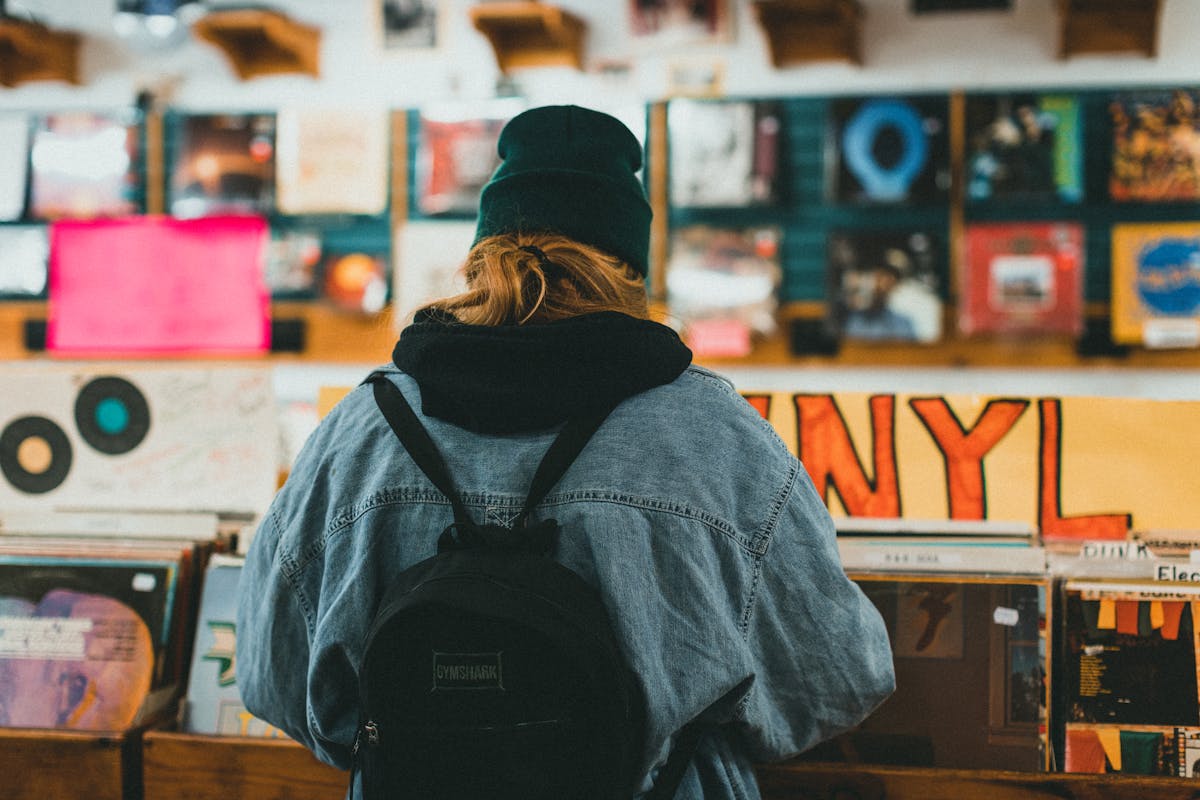
Around 2020, Record Store Day UK and War Child formalised a partnership that felt like a natural fit. Independent record shops, the places where music fandom lives closest to the ground, would carry exclusive War Child vinyl releases every April. For every copy sold, £1 would go to the charity.
The first year raised around £12,000. That might sound modest next to HELP's millions, but it was money raised a pound at a time, by actual people walking into actual record shops and picking up a record that caught their eye. There's something honest about that.
The partnership grew quickly. By 2024, cumulative fundraising had passed £120,000 across five years. The roster of artists lending their music expanded too: The Cure, The 1975, Celeste, Patti Smith, Blur, Miles Davis, The Police, Joan Jett and more all contributed exclusive pressings. On top of the vinyl sales, turntable manufacturer Rega Research donated Planar 3 turntables each year, signed by artists and raffled for the charity. Kate Bush, Robert Plant, Young Fathers, Blur and Kae Tempest have all put pen to plinth.
HELP(2): the sequel nobody expected
Then, in early 2026, War Child pulled off something that actually echoed the ambition of the original. HELP(2), produced by James Ford (the person behind records by Arctic Monkeys, Depeche Mode and Florence + the Machine), was recorded at Abbey Road Studios over one week in November 2025 and released on 6 March 2026.
The lineup was staggering. Arctic Monkeys contributed "Opening Night", their first new music in four years. Olivia Rodrigo, Damon Albarn, Pulp, Depeche Mode, Fontaines D.C., The Last Dinner Party, Wet Leg, English Teacher, Johnny Marr, Black Country New Road, Beabadoobee, and Kae Tempest all recorded during that week. Even Oasis returned, three decades after the first HELP sessions.
The album came with a companion film by Jonathan Glazer, the director behind Under the Skin and The Zone of Interest. Glazer gave cameras to children in the studio during recording, letting them film the artists without restrictions. He wove that footage together with material shot by children in Ukraine, Gaza, Yemen and Sudan. Critics responded warmly. Metacritic gave it 82 out of 100, with Rolling Stone calling it "remarkably cohesive" and a worthy follow-up.
The 15 War Child releases for Record Store Day 2026
Which brings us to 18 April. This year's Record Store Day carries 15 exclusive vinyl releases in support of War Child, available only from participating independent record shops. The range covers anniversary reissues, rare demos, first-time-on-vinyl recordings and some genuinely interesting deep cuts.
Here are the ones worth knowing about.
The Cure: Greatest Hits and Acoustic Hits
The Cure have been War Child regulars for years now, and this year they're contributing two records. The big one is Greatest Hits, originally released in 2001, now curated and remastered by Robert Smith himself for this 25th anniversary edition. It's being pressed on 2LP silver bio vinyl for the first time. Four UK top 10 singles, four more in the top 20, and a tracklist that makes you realise quite how many stone-cold classics one band can produce. Acoustic Hits offers stripped-back versions of many of the same songs, a quieter but no less compelling listen. With The Cure approaching their 50th year in 2028, both feel like essential additions to any collection.
Fleetwood Mac: The Original Fleetwood Mac
Before Stevie Nicks, before Rumours, before California, Fleetwood Mac were a British blues band led by one of the most gifted guitarists of his generation. Peter Green named the band after drummer Mick Fleetwood and bassist John McVie as an act of deliberate modesty, and the music they made together was raw, intense, and utterly unlike what came later. The Original Fleetwood Mac is a 1971 compilation capturing that Peter Green era, and it's a brilliant entry point for anyone who only knows the Buckingham/Nicks years.
Primal Scream: Echo Dek
Bobby Gillespie's band are one of those acts who've reinvented themselves so many times it's hard to keep count. Echo Dek is the 1997 dub remix companion to Vanishing Point, their dark, paranoid, post-Britpop masterpiece. Where Vanishing Point was wired and claustrophobic, Echo Dek is spacious and hypnotic, reworked by Adrian Sherwood, one of the UK's most influential dub producers. It sounds best at 1am with the lights off.
The rest of the fifteen
The full War Child set spans decades and genres. There are solo albums from two thirds of the Manic Street Preachers: James Dean Bradfield's The Great Western, getting a 20th anniversary pressing, and Nicky Wire's 2023 album Intimism. Both are fascinating documents from musicians better known as part of one of Wales' greatest bands.
Bring Me The Horizon and Sigrid's "Bad Life", their unlikely 2022 collaboration, lands on blue vinyl. Mark Knopfler (of Dire Straits fame) and country legend Emmylou Harris' 2006 joint album All the Roadrunning gets a pressing. Kaiser Chiefs' fourth album The Future Is Medieval and The Streets' Computers and Blues, both from 2011, return to shelves.
Corinne Bailey Rae's Live in New York, recorded at Webster Hall in 2006, makes its vinyl debut. Sheffield band Divorce contribute Live at Get Together 2025, featuring a version of "Heaven is a Long Way" performed with Neighbourhood Voices, a local all-female choir. The Julien Temple documentary soundtrack Oily City Confidential, celebrating Essex blues-punk legends Dr. Feelgood, gets a double vinyl pressing. Rory Gallagher's 1976 classic Calling Card returns. And The Vaccines' What Did You Expect… Demos and B-Sides rounds out the set with 17 tracks, 11 of which have never been on vinyl before.
Why it matters
It's easy to be cynical about charity tie-ins. Another limited edition, another good cause on the sticker, another reason to queue at 7am. But the War Child and Record Store Day partnership works precisely because it doesn't ask anyone to do anything different. You were going to your local shop anyway. You were going to buy a record. The £1 donation is built into something you were already doing, and it adds up.
Over £120,000 raised by 2024. Fifteen more releases this April. And behind the numbers, the same urgent reality that prompted HELP in the first place: children in conflict zones who need protection, education and mental health support. When HELP came out in 1995, one in 10 of the world's children were affected by war. Today it's one in five. The music has changed. The cause hasn't.
If you're heading to your local shop on Record Store Day, the War Child releases are the ones with a purpose baked in. And if you want to hear where the story started, the HELP album is still available on vinyl. Thirty years on, it still sounds like the best thing the British music industry ever did in a single day.