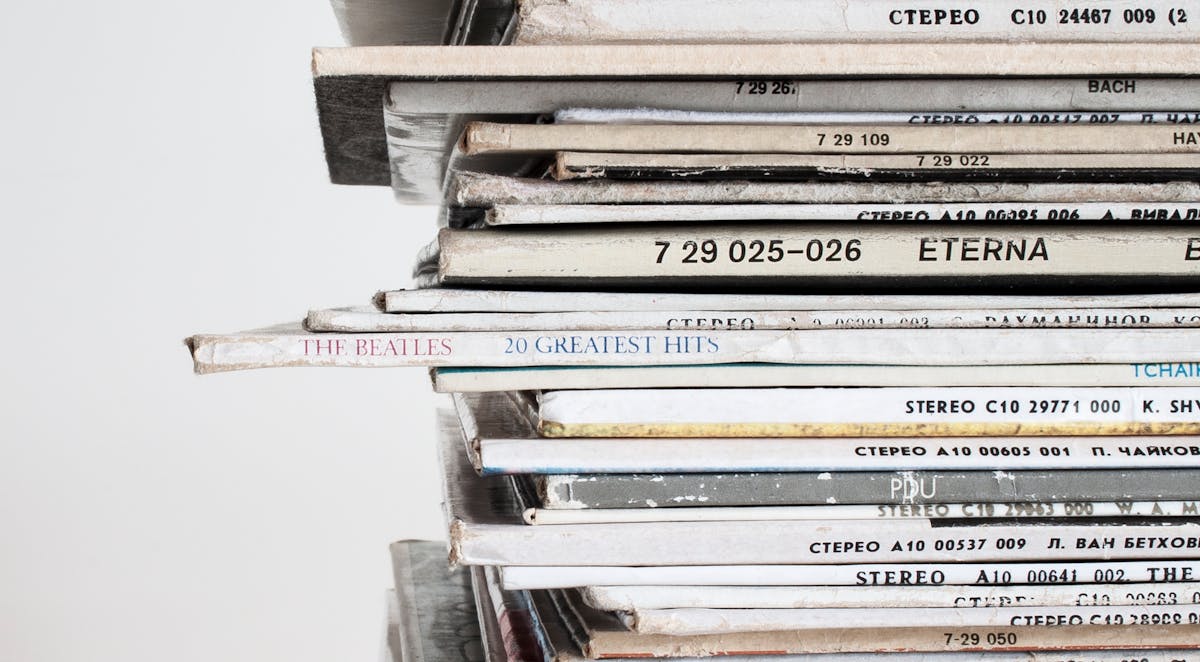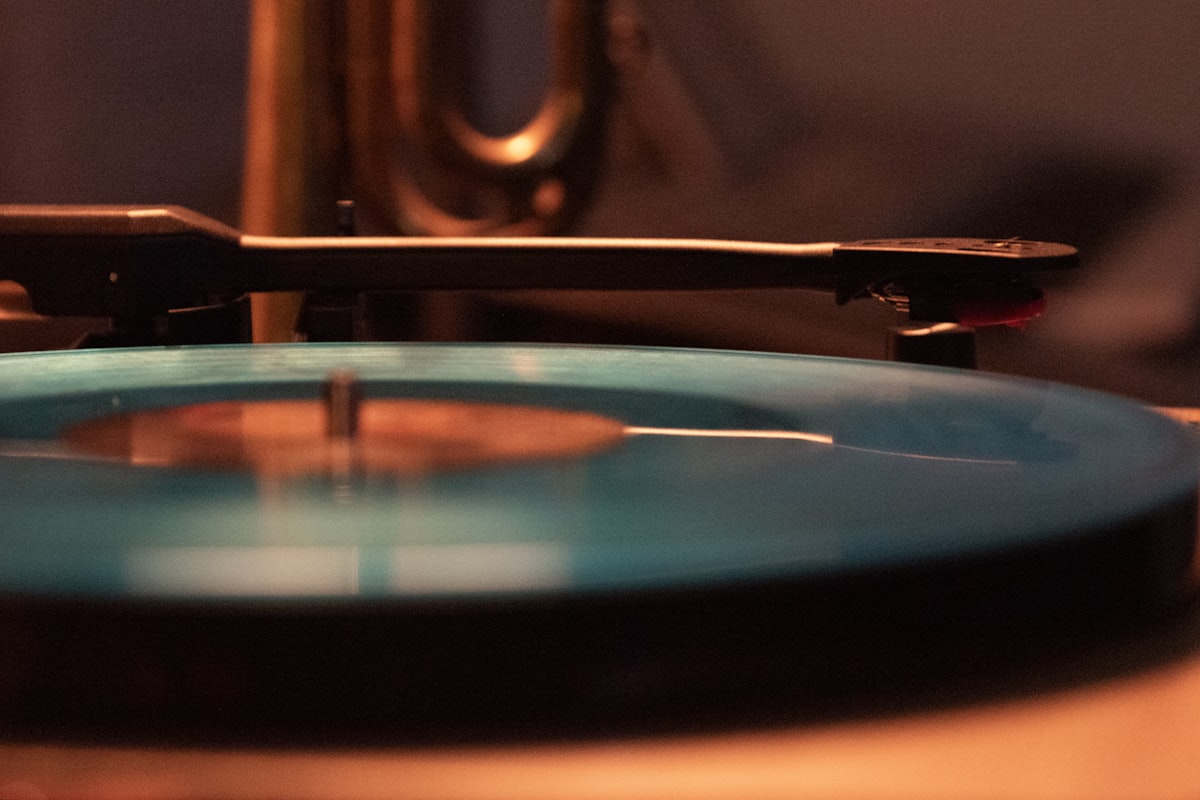
Those pops and crackles you hear? Most of them aren't your record. They're the dust, skin cells and general household debris that vinyl attracts like a magnet with a grudge. Static electricity pulls particles into the grooves, your fingers leave oils every time you handle a disc, and even a shrink-wrapped new pressing can arrive with enough factory residue to take the shine off a first listen.
The good news: cleaning records is straightforward, it doesn't cost much, and the difference it makes to the sound is genuinely startling. A record you assumed was worn out might just be filthy.
Here's how to keep your collection sounding its best — from the 30-second routine you should do before every play to a proper deep clean for charity shop rescues and neglected crate-dig finds.
Before Every Play: The Carbon Fibre Brush
This is the single most useful habit you can build as a collector. Before you drop the needle, hold a carbon fibre brush lightly on the record surface and let it spin for a couple of rotations. The bristles lift dust from the grooves and discharge static electricity — which is the reason the dust landed there in the first place.
You don't need to press hard. The weight of the brush is enough. Follow the grooves in a gentle arc from the inside out, then lift away. The whole thing takes about 15 seconds.
A decent carbon fibre brush costs around £10–15. The AudioQuest Record Clean Brush and Pro-Ject Brush-IT are both solid options that'll last years. This isn't the exciting part of record collecting, but it's the part that stops you wearing out both your vinyl and your stylus with invisible grit.
The Occasional Deep Clean: Record Washers
For records that need more than a quick brush — second-hand finds, anything that's been sitting in a loft for a decade, or pressings that sound dirtier than they look — you want a proper wet clean.
The most popular option among UK collectors is the Spin-Clean Record Washer MKII. It's a bright yellow basin (they chose that colour so you can see the dirt collecting at the bottom — and you will see it, which is both satisfying and faintly horrifying). You fill it with distilled water and a few drops of their cleaning fluid, slot the record between the brushes, and spin it by hand three or four times. Both sides get cleaned simultaneously. Pull it out, dry it with the included cloths, and you're done.
The Spin-Clean kit runs around £70–80 and the included fluid is enough for hundreds of records. Spincare make a similar system at a comparable price point, with a drying rack included that's a nice touch if you're doing batches.
A few things worth knowing about wet cleaning: always use distilled or deionised water, never tap water. Tap water contains minerals that leave deposits in the grooves — defeating the entire purpose. You can pick up five litres of distilled water from most supermarkets or pharmacies for a couple of quid.
And always make sure the record is completely dry before you put it back in its sleeve. Damp vinyl inside a paper inner sleeve is a recipe for mould, which is considerably harder to deal with than dust.
What Not to Do
Vinyl forums are full of DIY cleaning methods, and some of them will ruin your records. A few to avoid:
Washing-up liquid. It works in the short term but it strips the protective coating from the vinyl over time. You'll trade today's dust for tomorrow's permanently degraded surface.
Isopropyl alcohol. Same problem. It's a common ingredient in home-brew cleaning solutions, and it'll dissolve oils and grime effectively — along with the coating that keeps your record healthy. There's a reason the Library of Congress uses a mild surfactant called Tergitol instead of alcohol when cleaning their archive. If it's good enough for them, it's good enough for your copy of Rumours.
Your regular household vacuum cleaner. This one should be obvious, but the internet being the internet: don't do it. Dedicated vacuum record cleaners exist (from brands like Pro-Ject and Okki Nokki, typically £300+), and they use precisely calibrated suction. Your Henry does not.
Paper towels or kitchen roll. They leave fibres in the grooves. Use microfibre cloths or the lint-free cloths that come with cleaning kits.
Don't Forget the Stylus
A clean record played with a dirty stylus is a bit like washing your car and then driving it through a puddle. Dust and debris accumulate on the needle too, and a gunky stylus will both sound worse and accelerate wear on your vinyl.
A basic stylus brush — a tiny, soft-bristled brush you stroke gently from back to front across the tip — costs under £10 and takes five seconds to use. Do it every few plays. Some collectors swear by the Onzow Zerodust, a blob of soft gel you lower the stylus onto to lift debris away. It looks like something from a science fiction film and it works brilliantly.
Upgrade the Sleeves
If you're cleaning records but putting them back into tatty old paper inner sleeves, you're undoing half your work. Paper sleeves shed fibres, they don't block static, and they can scratch the surface when you slide the record in and out.
Poly-lined inner sleeves — the kind with a soft plastic lining inside the paper — are the standard upgrade. They're anti-static, they don't shed, and they cost about 15–20p each in bulk. MoFi (Mobile Fidelity) and Spincare both make good ones. Replacing the inners across your whole collection is a rainy Sunday afternoon job that quietly improves every listen going forward. For more on sleeve types and how to store your records once they're clean, have a look at our storage guide.
The Bottom Line
You don't need to spend hundreds on a vacuum machine or turn record cleaning into a weekend hobby. A carbon fibre brush before every play, a Spin-Clean or similar for periodic deep cleans, and decent inner sleeves will keep the vast majority of collections sounding excellent.
The real magic is in the routine. Fifteen seconds with a brush before you drop the needle. That's it. Your records will sound better, your stylus will last longer, and those mysterious clicks that made you think your copy of OK Computer was done for? Probably just dust.