You own a turntable. You've bought a few records. Maybe a few dozen. Maybe you've lost count and the shelf situation is getting diplomatic. Either way, you're past the point of wondering whether vinyl is for you and into the part where you want to do it properly.
This is the page for that. Everything findyl has published about buying, caring for and understanding vinyl records, gathered in one place. Think of it as the reference shelf behind the counter at a really good record shop -- except it's free, it's always open, and it won't judge you for not knowing what "VG+" means yet.
Knowing What You're Buying
The product descriptions on vinyl listings can read like a foreign language. 180g audiophile pressing. Half-speed mastered. Limited edition gatefold. First pressing. Every term sounds like it should matter, but which ones actually affect what you hear when you drop the needle?
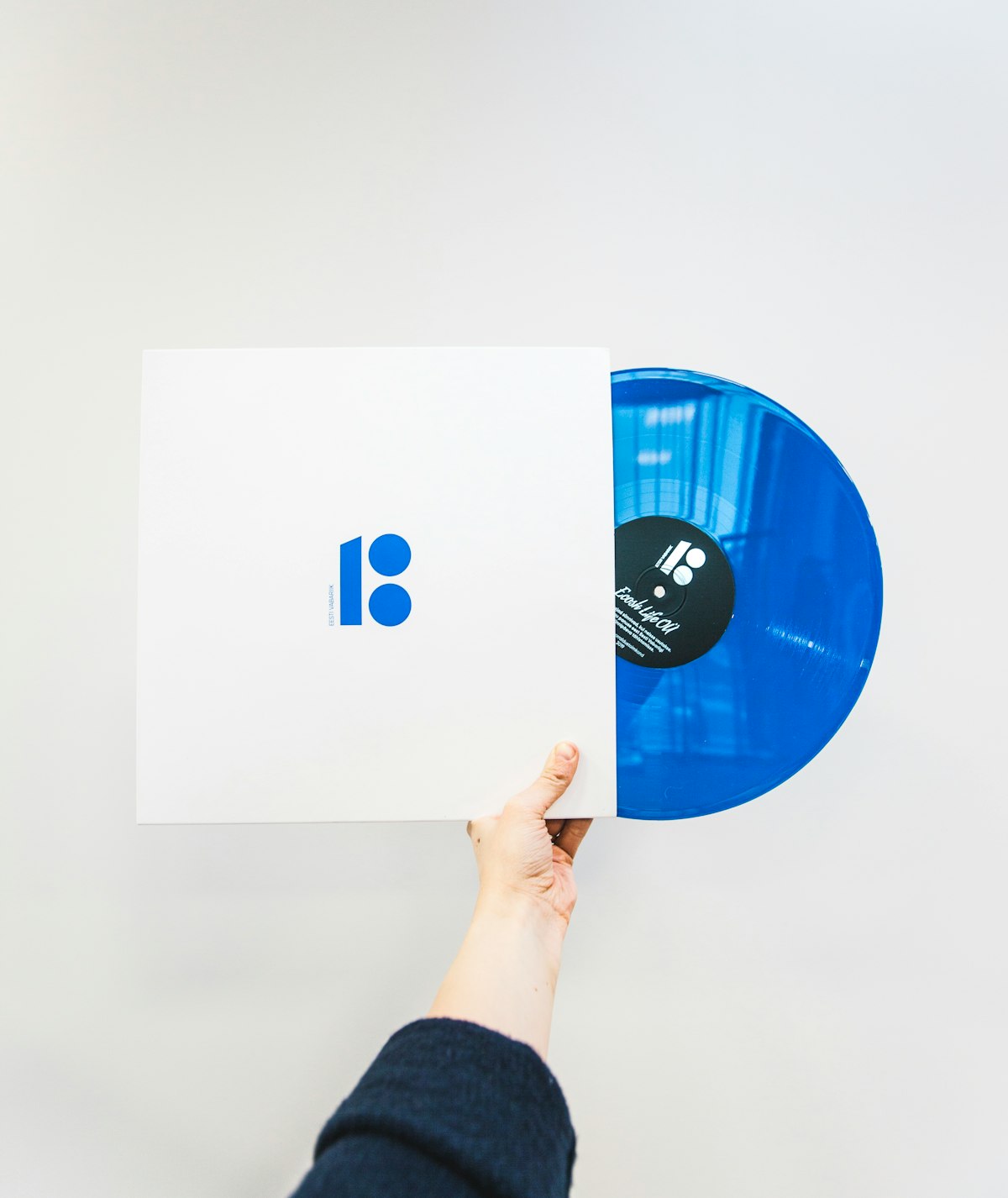
The honest answer is: fewer than the marketing suggests, but more than the cynics claim. The weight of a record, the colour of the vinyl, whether it's a first pressing or a 2024 reissue -- these things can make a difference, but not always in the ways you'd expect. A 120g pressing from 1975 can sound better than a 180g reissue from last year. A coloured record from a good pressing plant is virtually indistinguishable from black. And "limited edition" sometimes just means they printed fewer copies of a record nobody wanted many of.
Our pressings guide breaks down every term you'll see on a listing and tells you which ones are worth paying extra for. If you've ever stared at two versions of the same album at different prices and wondered what the difference actually is, start there.
The coloured vinyl vs black vinyl debate is one of collecting's most persistent arguments. The short version: the old advice that coloured vinyl sounds worse is mostly outdated. Modern pressing technology has closed the gap almost entirely. But there are still situations where colour matters, and the guide explains exactly when and why.
Looking After What You've Got
Records are remarkably durable if you treat them well and remarkably fragile if you don't. The good news is that "treating them well" isn't complicated or expensive. It's a handful of habits that take seconds and make the difference between a collection that sounds better every year and one that slowly deteriorates.
The single most impactful thing you can do is clean your records before you play them. Not every time with a full wet wash -- just a quick pass with a carbon fibre brush to lift dust from the grooves. Those pops and crackles you hear? Most of them aren't damage. They're dirt. A £12 brush and fifteen seconds of patience will transform how your records sound.
For anything beyond daily maintenance -- charity shop rescues, loft discoveries, records that have been stored badly -- the cleaning guide covers wet washing, what products to use, and what to avoid (tap water, for instance, leaves mineral deposits in the grooves that make things worse, not better).
Storage is the other half of the equation. Vertical, not stacked. Room temperature, not the loft. Away from direct sunlight, not on the windowsill that gets the afternoon sun. Replace your paper inner sleeves with poly-lined ones. These aren't fussy audiophile habits -- they're the difference between a record that plays perfectly in twenty years and one that's warped into a crisp packet.
The best time to start looking after your records properly was when you bought your first one. The second best time is today.
Buying Used Vinyl
Second-hand vinyl is one of the best parts of collecting. Charity shops, car boot sales, Discogs, eBay, local record fairs -- there's a whole ecosystem of used records out there, and some of the most satisfying finds in any collection came from a 50p crate or a listing everyone else overlooked.
But buying used comes with risk. Grading is subjective, sellers are optimistic, and the difference between a genuinely "Very Good Plus" record and one that's been generously described can be the difference between a beautiful listening experience and an expensive coaster.
Our grading guide explains both major grading systems (Goldmine and Record Collector), translates every grade into plain English, and covers the red flags to watch for when buying online. It's the single most useful thing you can read before spending money on used vinyl. The UK and US grading systems use the same words to mean different things, which catches people out constantly -- a "Very Good" record means something quite different depending on which side of the Atlantic the seller learned their grading.
For the full picture -- where to buy, what to check before you pay, how to spot a dodgy listing, and how to make the most of Discogs and eBay -- the used vinyl buying guide covers everything from charity shop finds to online marketplaces.
Shopping Smart
If you're reading this, you already know what findyl does: search for any artist or album and compare prices across 19 UK retailers in one place. No more opening six tabs and checking each shop individually.
But beyond price comparison, there are a few things worth knowing about how to get the best value from your vinyl buying.
Timing matters. Record Store Day (the third Saturday in April each year) brings hundreds of exclusive releases to independent shops, but it also brings queues, hype, and the occasional disappointment. Our RSD survival guide covers how to make the most of it without losing your mind -- or your morning to a queue for something that's already sold out.
Keep an eye on findyl's sales page for retailer discounts and price drops. Prices shift constantly across retailers, and the difference between the cheapest and most expensive listing for the same record can be significant. The pre-orders page is worth checking too -- getting in early on a new release sometimes means a better price or access to a limited variant before it sells out.
And don't overlook independent record shops. The big online retailers are convenient, but the independent stores across the UK often carry stock, host events and offer knowledge you won't find anywhere else. Supporting them keeps the ecosystem alive.
Building Your Collection
There's no right way to collect vinyl. Some people buy everything by one artist. Some chase genres. Some collect pressings of a single album across decades. Some just buy whatever catches their ear that week. All of these are valid and none of them need justifying to anyone.
If you're looking for direction, findyl's Sleeve Notes editorial section is built for exactly that. The genre spotlights cover the essential albums across jazz, country, indie and more -- not as homework, but as starting points for your own exploration. The Backstory series tells the stories behind artists like Fleetwood Mac, Radiohead, The Cure and Black Sabbath. And the Behind the Label pieces cover the record labels -- Factory, Sub Pop, Blue Note, 4AD -- whose catalogues are worth exploring as collections in their own right.
The best collection is the one you actually listen to. Buy records you want to play, not records you think you should own. The sealed copy of Kind of Blue that sits on your shelf for three years impressing no one is worth less to your life than the battered charity shop copy of something you'd never heard of that you play every Sunday morning.
What's Next
This handbook will grow. Guides on inner sleeves, turntable basics, and buying used vinyl online are all in the pipeline. As findyl adds more retailers and more editorial content, this page will be updated to connect it all together.
In the meantime, if you've got a record you're thinking about buying, search for it on findyl and see who's got the best price. That's what we're here for.